This week in Washington
Explain Like I'm 5
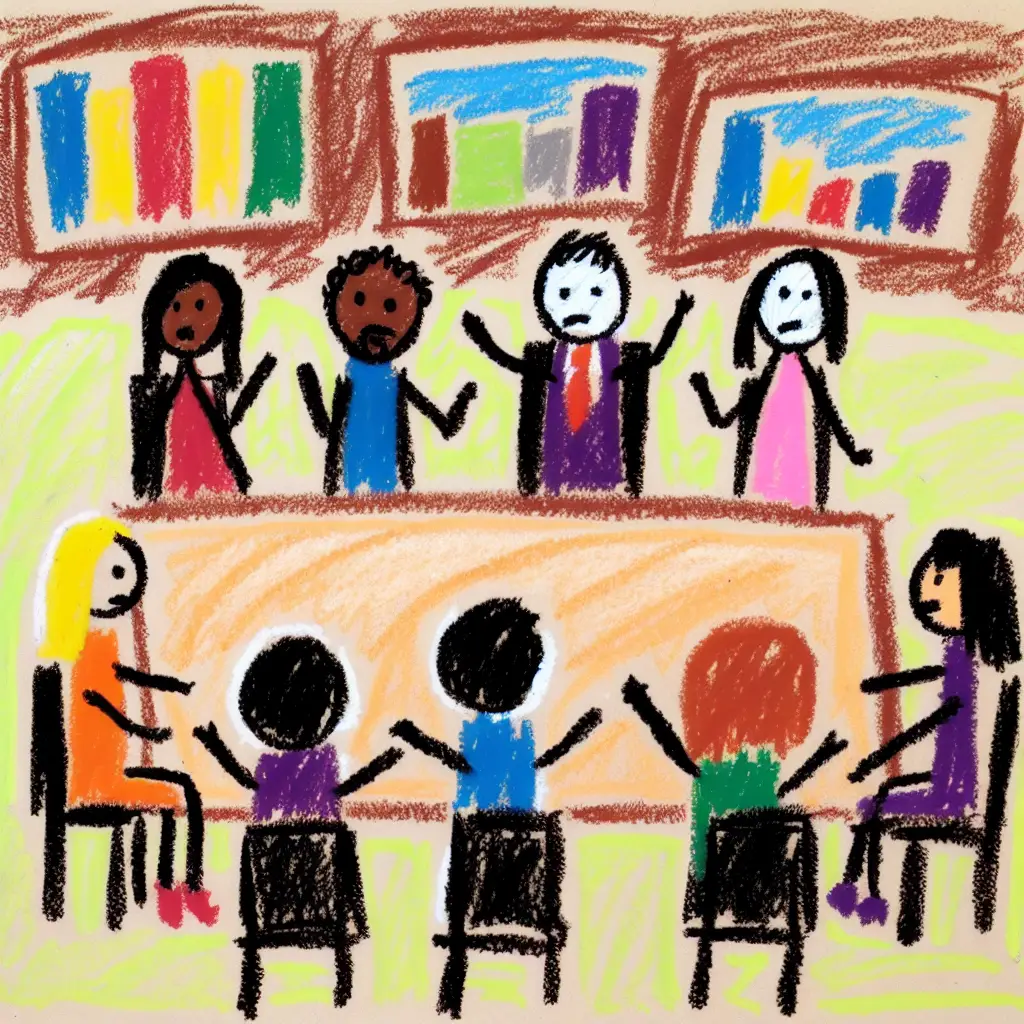
Imagine you're playing with a big, colorful puzzle that has lots of pieces. Now, imagine that each piece represents a different job that needs to be done in a big house where lots of important decisions are made. This week in Washington, the people who work in that big house were very busy putting lots of puzzle pieces together. They talked about how they can be better friends with other countries, how to draw lines on maps that decide who votes where, and even had a special vote to choose a new helper in their big house. It's like when you and your friends decide who gets to be the line leader or who shares toys!
Explain Like I'm 10
Washington, D.C. was super busy this week with lots of important stuff happening! First, the people in charge of talking to other countries, kind of like the class representatives who speak for you, were working on how to make friends and play nicely with other nations. This is like deciding who you want to invite to your birthday party and making sure everyone has a good time.
Then, there was something called Congressional redistricting. This is when new lines are drawn on a map to decide which neighborhoods will vote together. It's a bit like redrawing the lines for school districts, affecting which school you go to based on where you live.
Lastly, there was a special election, kind of like when your class has to vote for a new class president because the old one moved to another school. This helps decide who will join others in making big decisions. It's important because it can change how rules are made in that big house, just like how rules in your classroom might change with a new class president.
Explain Like I'm 15
This week in Washington was packed with significant events that can impact both the U.S. and the world. First, there's foreign policy, which is basically how the U.S. interacts with other countries. This can include everything from trade deals — think of it as large-scale bargaining on who gets what goods and for how much — to defense agreements, which are like making pacts with your friends to back each other up in conflicts.
Then, there's Congressional redistricting. This is when the boundaries that define Congressional districts are redrawn, which happens every ten years based on new census data. It's crucial because it can influence which political party has a better chance of winning in those districts. Imagine if student council seats were decided by where everyone sits in the cafeteria — where the lines are drawn can really matter.
The special election is another key point. Special elections happen when a seat in Congress becomes vacant unexpectedly, due to resignation or other reasons. It's like a pop quiz in your government class — sudden and important, and it can really affect the overall grade, or in this case, the balance of power in Congress.
Each of these elements — foreign policy, redistricting, and special elections — plays a big role in shaping what happens in our government. These aren't just isolated events; they're part of ongoing political processes that affect everything from the economy to how the U.S. stands on the world stage. Understanding these can give you a clearer picture of how our government works and why these developments matter.
Want to read the original story?
View Original Source