U.S. reconsiders Tanzania ties after deadly post-election crackdown
Explain Like I'm 5
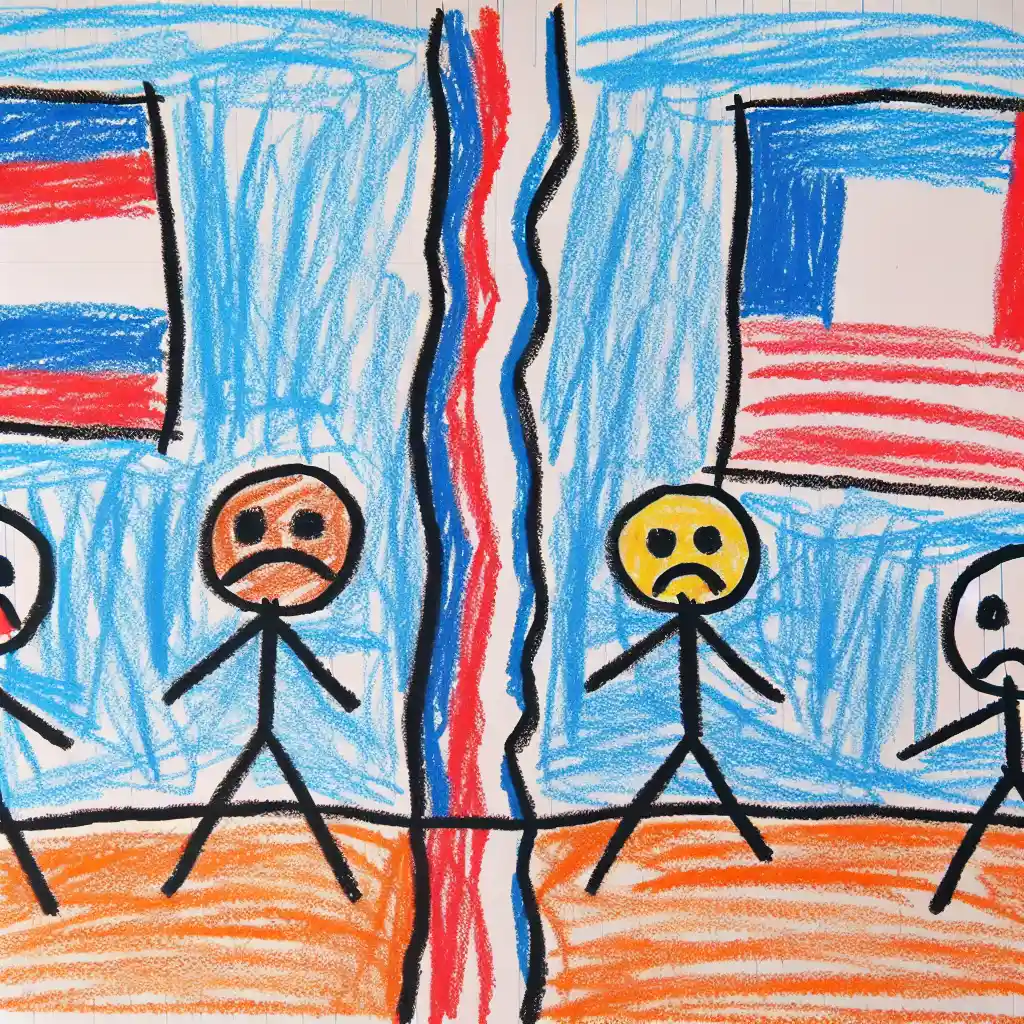
Imagine you have a friend you like to play with because they usually play fair. But one day, you see them being really mean to someone else after losing a game. You might start thinking, "Hmm, should I keep playing with them if they're going to be mean?" Well, the U.S. is in a similar situation. They've been friends with a country called Tanzania, playing and sharing toys nicely. But recently, after an important game called an election, the leaders in Tanzania acted very meanly to some people who didn't agree with them. So now, the U.S. is thinking really hard about whether it should keep being such good friends with Tanzania.
Explain Like I'm 10
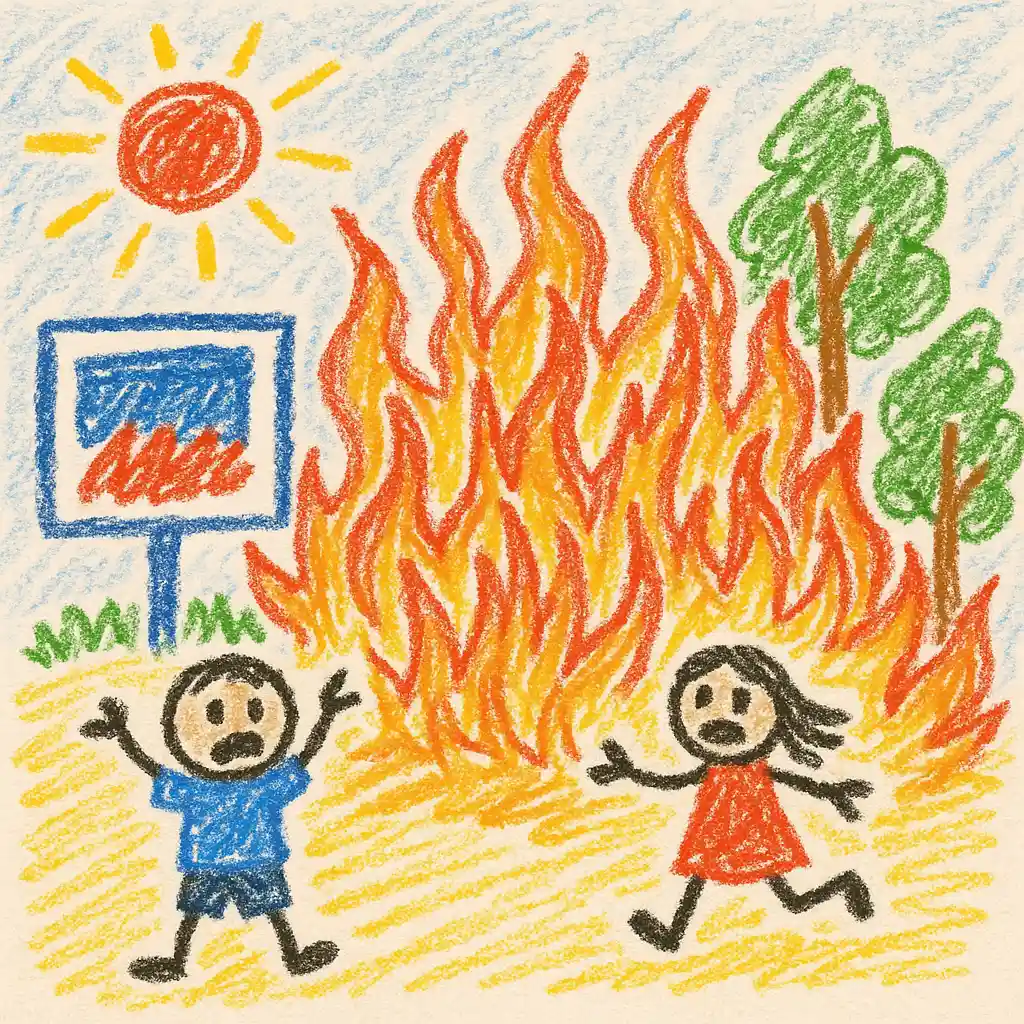
After countries hold elections, it's like a big community decision on who gets to be in charge. In Tanzania, they just had one of these big decisions. But after the votes, things got really serious and scary. Some people weren't happy with the results, and the leaders in Tanzania decided to use force to quiet them down, and sadly, many people were hurt. This kind of action is a big no-no on the world stage.
The United States, which is kind of like a big brother on this world stage, wasn't happy to see this. They usually expect their friends, like Tanzania, to treat everyone fairly, especially after an election. Because the U.S. believes in playing fair, they're now thinking about whether they should change how they interact with Tanzania. They might stop sharing certain toys (like money and help) if they think Tanzania isn't playing by the rules. It's a tough spot because the U.S. wants to make sure everyone is treated nicely, but they also don’t want to lose a friend without trying to help them be better.
Explain Like I'm 15
When countries go through elections, it's a fundamental process that determines their leadership and direction. It's expected to be fair and reflective of what the people want. Unfortunately, in Tanzania, the recent election aftermath was anything but peaceful. The government cracked down on protestors and opposition, leading to tragic losses. This kind of response is generally frowned upon internationally because it goes against the principles of democracy and human rights.
The United States, as a global leader, often sets the tone for how democracies should operate and interact. Seeing a partner country stray into authoritarian practices puts the U.S. in a difficult position. They have to balance their strategic interests—like security and economic ties—with the need to uphold and advocate for democratic values. The U.S. reacting by reviewing its ties with Tanzania is a significant move. It sends a message not just to Tanzania but to the world about what the U.S. stands for.
Historically, the U.S. has had a complex relationship with African nations, often shaped by geopolitical and economic interests. In this case, the U.S.'s decision could influence how other nations interact with Tanzania and how democracy is perceived and valued in the region. The broader implications might involve economic sanctions or cutting off certain types of aid, which could have ripple effects on Tanzania's economy and its people’s well-being. This situation is a critical juncture for Tanzania's government to reassess its approach post-election and for the international community to decide how to respond to such crises in ways that support the populace without enabling authoritarianism. What happens next could set important precedents for international relations and human rights advocacy.
Want to read the original story?
View Original Source